Introduction
In the pre-digital era, asset management often resembled a chaotic and inefficient struggle.Imagine a scenario where a high-stakes delivery is jeopardized by the loss of crucial equipment, resulting in significant delays and financial loss. Piles of paperwork, manual logs, and human error frequently led to discrepancies and loss. This was the norm until the advent of asset tracking technology. Enter asset tracker devices, the unsung heroes now revolutionizing asset management worldwide. As industries strive for seamless operations and accountability, these devices have emerged as pivotal tools, driven by technological advancement and the urgent need for precision in a dynamic global market.
The Evolution of Asset Tracker Technology
Asset tracking has come a long way from its humble beginnings of manual record-keeping. Initially, organizations relied heavily on rudimentary systems and basic barcodes, which served the purpose but were prone to errors and inefficiencies. The transition to RFID (radio-frequency identification) tags marked a significant leap, offering automation and enhanced reliability. However, it was the incorporation of GPS (Global Positioning System) that truly heralded a new era of precision and real-time location tracking. The integration of Internet of Things (IoT) technologies and advancements in wireless communications have since transformed these devices, enabling unparalleled accuracy, connectivity, and functionality. Today, the latest asset tracker devices are powered by sophisticated sensors, robust software platforms, and real-time data analytics, making them indispensable across diverse sectors.
Applications Across Industries
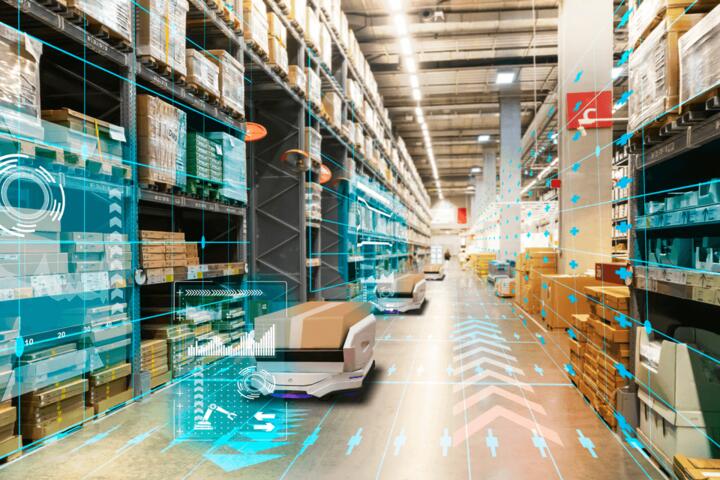
Asset tracker devices have found critical applications in numerous industries, revolutionizing operations and enabling smarter asset management. In the logistics and supply chain sectors, these devices are instrumental in orchestrating complex warehouse operations and fleet management. They provide real-time tracking of assets, ensuring inventory is moved and allocated efficiently and accurately, minimizing delays and reducing operational costs. In healthcare, asset trackers are crucial for managing critical medical equipment, ensuring availability and maintenance, and thus guaranteeing patient safety. They track everything from surgical instruments to patient-monitoring devices, preventing loss and improving the efficiency of medical services.
The construction industry has also greatly benefited. By employing asset tracker devices, construction companies can keep track of expensive machinery, ensuring they are in the right place at the right time. This optimizes project timelines and reduces costs associated with equipment loss or misallocation. In the retail sector, these devices play a significant role in inventory management and loss prevention. By accurately keeping inventory counts and monitoring product movement, retailers can reduce shrinkage, streamline operations, and enhance customer satisfaction.
Technological Features
The efficacy of modern asset tracker devices lies in their technological features, which have made them indispensable in today's fast-paced world. One of the most pivotal features is real-time monitoring, enabled by constant connectivity through IoT and mobile applications. This provides managers with up-to-the-minute information, ensuring informed and timely decision-making. Geofencing capabilities are another remarkable feature; they create virtual boundaries around specific areas. Managers are alerted instantaneously to unauthorized movements or access, enhancing security and operational control.
Data analytics and reporting add another layer of sophistication to asset tracking. By harnessing the power of big data, businesses can predict trends, optimize resource allocation, and make informed strategic decisions. The insights gained from data analytics can significantly impact productivity, efficiency, and ultimately, profitability. Such technological prowess ensures that asset tracker devices are a strategic advantage for proactive organizations.
Benefits and Advantages
The benefits of integrating asset tracker devices into operations are numerous and substantial. Firstly, they offer considerable cost savings by reducing asset misplacement and loss. Improved security and operational efficiency translate into reduced downtime and more productive use of resources. These devices offer transparency and reliability, allowing businesses to monitor and manage assets effectively. Furthermore, the insights provided by data analytics enable companies to refine operational strategies and enhance decision-making processes.
Scenarios abound of companies leveraging these advantages; for example, a logistics firm using asset trackers to slash delivery times and reduce costs, or a hospital ensuring critical equipment is always at hand, thereby enhancing patient care. These case studies exemplify how businesses can gain a competitive edge by utilizing asset tracker devices to streamline operations and foster innovation.
Challenges and Considerations
While asset tracker devices offer significant advantages, they also come with their own set of challenges and considerations. The initial investment costs can be high, depending on the scale of implementation. Integrating these devices with existing systems may require technical expertise and infrastructural changes. Privacy concerns regarding data collection and management are also prevalent, necessitating robust policies and compliance with regulations.
Ongoing maintenance and updates are critical to ensure the systems remain functional and relevant. Organizations seeking to adopt asset tracker technology should carefully evaluate these factors and devise strategic plans to overcome potential challenges. Solutions such as phased implementation, rigorous training programs, and dedicated IT support can ease the transition and maximize the benefits of this technology.
Future Prospects
The future of asset tracker devices is promising, with continuous advancements in technology poised to bring further transformation. The integration of AI (artificial intelligence) and machine learning holds the potential to automate decision-making and enhance predictive analytics, pushing the boundaries of what these devices can achieve. As IoT becomes more pervasive, and 5G technology becomes mainstream, real-time tracking capabilities will only improve, providing even faster and more reliable insights.
Emerging innovations such as blockchain could revolutionize the way data integrity and security are managed in asset tracking systems. These advancements will likely open new opportunities and reshape industry standards, solidifying asset tracker devices as essential tools in the digital economy. As these trends converge, businesses can anticipate an era of unprecedented precision and efficiency in asset management.
Conclusion
The power of asset tracker devices in transforming asset management cannot be overstated. Reflecting back on the chaos of manual systems, it is evident how these technologies have realigned business operations towards greater efficiency and control. As industries face growing complexities and expectations in the digital age, asset tracker devices offer indispensable solutions for navigating these challenges. Looking forward, their potential to integrate with cutting-edge technologies promises to redefine how organizations manage assets.
Businesses and industries poised to embrace and adapt to these changes will position themselves as leaders in an interconnected world that increasingly values connectivity, precision, and efficiency. Asset tracker devices are no longer just tools; they are strategic allies in optimizing operations and ensuring success in a rapidly evolving technological landscape.