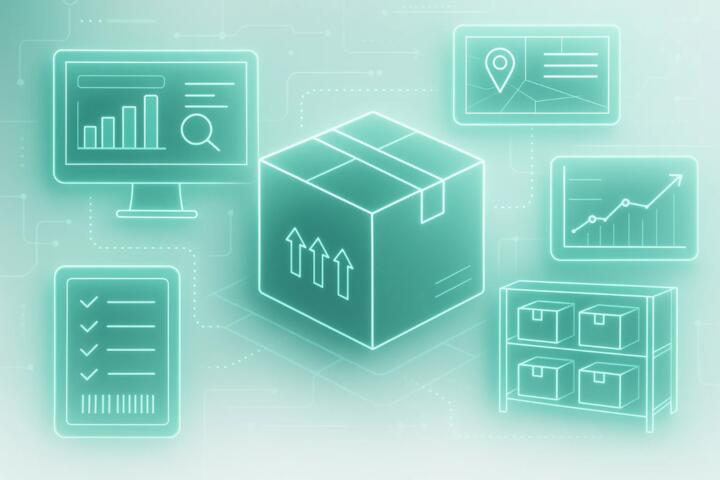
Introduction to Online Asset Tracking
Online asset tracking has emerged as a critical component of contemporary asset management, fundamentally transforming traditional methodologies into efficient, data-driven processes.It encompasses the use of digital technology to monitor and manage physical resources remotely, providing real-time insights into their status and location. This shift from manual tracking efforts toward sophisticated digital solutions is driven by technological advancements, offering unprecedented control over asset portfolios. At the core of this revolution are technologies like the Internet of Things (IoT), GPS, RFID, and cloud computing. These innovations have empowered businesses and individuals alike, enabling them to maintain accurate oversight of their assets, mitigate risks, and optimize resource allocation. The increasing reliance on online asset tracking underscores its growing importance in the modern economy, facilitating enhanced decision-making and operational efficiency across various sectors.
Technological Foundations and How They Work
The robust framework of online asset tracking systems relies on a dynamic interplay between hardware and software, synergistically interwoven to deliver precise and actionable data. IoT devices serve as the backbone of these systems, continuously collecting data from assets and transmitting it in real-time to centralized tracking platforms. This constant data flow allows for seamless monitoring and management. GPS technology contributes significantly by providing exact geolocation information, crucial for fleet management and logistics. Meanwhile, RFID, or Radio Frequency Identification, facilitates efficient inventory tracking by automating asset identification processes. Through wireless communication, RFID tags relay critical data to readers, significantly reducing manual labor and improving accuracy. Complementarily, cloud computing offers a scalable infrastructure, hosting the collected data and ensuring its accessibility from anywhere worldwide. These technologies, working in concert, have revolutionized asset tracking by ensuring seamless connectivity and delivering unparalleled transparency and control over asset management operations.
Benefits of Online Asset Tracking
The implementation of online asset tracking systems presents numerous strategic advantages for businesses aiming to maintain competitive efficiency and operational effectiveness. One primary benefit is the enhancement of asset utilization and optimization, resulting in substantial cost savings and a reduction in asset waste. These systems provide businesses with the ability to monitor asset usage patterns closely, facilitating proactive maintenance and minimizing loss due to misplacement or theft. By offering immediate visibility and control over asset locations and conditions, online tracking fosters improved decision-making and ensures timely delivery of products, thereby enhancing customer satisfaction. Furthermore, the data-driven insights garnered increase operational transparency and accountability, enabling organizations to uphold stringent compliance standards and bolster trust amongst stakeholders. The ability to swiftly respond to dynamic business needs through real-time monitoring and analytics underscores the transformative potential of online asset tracking in promoting smarter asset management strategies.
Real-world Applications and Case Studies
Online asset tracking has found groundbreaking applications across diverse industries, proving to be a cornerstone for improving efficiency and effectiveness in resource management. In the logistics industry, for instance, real-time tracking of fleets and shipments streamlines supply chain operations, allowing for predictive capability and timely adjustments to avoid delays. Healthcare settings have also reaped benefits, with hospitals deploying asset tracking to manage medical equipment, ensuring the availability of critical resources when needed most. In manufacturing, asset tracking systems have revolutionized inventory management processes, reducing bottlenecks and ensuring the seamless flow of materials across production lines. Retailers employ these systems to track inventory levels, enhancing stock management practices and reducing incidences of stock-outs or overstocking. Notable case studies include companies in the tech sector which have enhanced asset security and operational workflows by integrating advanced tracking solutions. The proven versatility and adaptability of online asset tracking underscore its pivotal role in both large-scale industrial applications and the streamlined operations of small businesses.
Challenges and Considerations
Despite its numerous benefits, the deployment of online asset tracking solutions is not without challenges, necessitating thoughtful consideration and planning. One significant concern is the potential for privacy invasions and data security breaches, particularly when sensitive information is involved. Organizations must invest in robust cybersecurity measures and data protection policies to safeguard against these threats. Initial setup and infrastructure costs also present barriers, especially for smaller businesses with limited budgets. However, these costs can be mitigated through scalable, cloud-based solutions that offer flexible pricing models aligned with business growth. Regular maintenance and software updates are essential to uphold system efficiency and extend longevity, requiring a commitment to ongoing technological investment and expertise. Moreover, potential issues such as system downtime and device malfunctions need to be managed through comprehensive contingency planning. As such, successful implementation of online asset tracking systems hinges on an organization's ability to balance these considerations and leverage innovative solutions to maximize returns on investment.
The Future of Online Asset Tracking
The trajectory of online asset tracking is poised for continued evolution, heralded by advancements in cutting-edge technologies and shifting regulatory environments that promise to redefine asset management paradigms. Emerging technologies such as Artificial Intelligence (AI) and blockchain are anticipated to revolutionize the precision and security of tracking solutions, enabling even greater automation and predictive analytics. AI can enhance asset management by providing advanced insights and forecasting capabilities, while blockchain's decentralized nature offers enhanced data protection and verification processes. Regulation surrounding online tracking is also expected to become more stringent, influencing how organizations use and store asset data. Simultaneously, advancements in predictive analytics and automation will pave the way for intelligent systems capable of anticipating asset needs and enhancing decision-making processes. These innovations will not only redefine industry practices but also present new opportunities for growth and competitive advantage within the asset management domain, ensuring businesses remain ahead of the curve in an increasingly complex and interconnected world.
Conclusion
As explored throughout this article, online asset tracking represents a pivotal innovation in asset management, offering businesses and individuals unprecedented control over their resources amid the challenges of the digital age. By harnessing the power of IoT, GPS, RFID, and cloud computing, organizations can enhance their asset utilization, mitigate risks, and streamline operational workflows, thereby unlocking significant economic value. Yet, the journey towards fully integrating these systems is fraught with both technological and strategic hurdles, from safeguarding data privacy to managing infrastructure costs. Looking forward, the integration of AI, blockchain, and predictive technologies holds great promise in further refining asset tracking capabilities, while evolving regulatory frameworks will shape the implementation and ethical use of these technologies. It is crucial for businesses to stay current with technological advancements and evolving industry trends to sustain competitive differentiation and capitalize on emerging opportunities. Ultimately, the broader societal implications of online asset tracking cannot be understated; as assets become more interconnected, these systems will lay the groundwork for more resilient, transparent, and sustainable global commerce practices, driving innovation and enhancing the quality of life across myriad sectors and communities.