In the highly competitive landscape of retail, the ability to efficiently manage inventory is a crucial component of business success.Retail inventory management is often seen as both an art and a science, requiring a delicate balance between maintaining sufficient stock to satisfy customers and minimizing excess to reduce costs. This equilibrium is essential in the fast-paced world of retail, where customer demand is dynamic and unpredictable. At the heart of this operational equilibrium are inventory management systems, which have transformed the way retailers conduct business. These systems are integral in streamlining processes, enhancing accuracy, and maximizing efficiency, marking a significant shift from traditional methods to advanced, technology-driven solutions.
Historical Context and Evolution
The evolution of retail inventory management systems reflects a journey from rudimentary methods to sophisticated digital solutions. Initially, retailers relied on manual processes involving pen-and-paper stock-taking, physical counting, and elaborate ledgers. These techniques, while foundational, were prone to errors and inefficiencies. The first major leap in inventory management came with the introduction of the barcode in the 1970s, a technological advancement that enabled automated data collection and significantly improved accuracy in tracking stock levels. This innovation laid the groundwork for computerized systems that emerged in the following decades, incorporating functionalities such as real-time updates and automated reorder triggers. The 21st century has seen exponential growth in inventory management capabilities, with the integration of advanced technologies like radio frequency identification (RFID) and cloud-based solutions, providing retailers with unprecedented control and insight over their inventory.
Core Features of Modern Inventory Management Systems
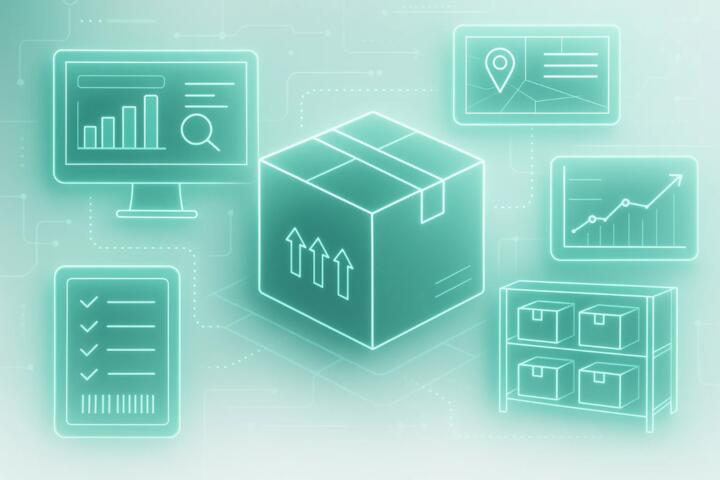
Contemporary inventory management systems boast a suite of advanced features designed to optimize retail operations. Real-time tracking is a hallmark of these systems, providing retailers with up-to-the-minute visibility on stock levels, which is crucial for efficient inventory turnover. Inventory forecasting tools leverage historical data and predictive analytics to anticipate demand, reducing the risk of stockouts and overstock situations. Integration capabilities are also essential, allowing seamless interaction between inventory systems and other business applications like point of sale (POS) systems and supply chain management software. This interconnectedness enables more comprehensive data analytics, facilitating smarter decision-making and strategic planning. Furthermore, many modern solutions offer mobile access, allowing managers to monitor and manage inventory remotely, thus enhancing flexibility and responsiveness.
Benefits of Implementing an Inventory Management System
The deployment of an effective inventory management system yields numerous benefits for retail businesses. Primarily, these systems reduce the likelihood of human errors, which are common in manual processes and can lead to costly discrepancies. Enhanced accuracy in inventory counts translates to better stock availability, directly impacting customer satisfaction by ensuring that popular items are always in supply. Financially, the cost savings accrued from optimized stock levels and decreased waste bolster the retailer's bottom line. Data analytics provided by these systems empower retailers with insights into sales trends and customer preferences, supporting informed decision-making and strategic growth initiatives. Retail case studies frequently illustrate how businesses have improved operational efficiency and profitability by adopting advanced inventory systems, underscoring their value as a strategic asset.
Challenges and Solutions in Inventory Management
Despite the advancements in inventory management systems, retailers still encounter challenges that require innovative solutions. Common issues include stockouts, which disrupt sales, and overstock, which ties up valuable capital. Inventory shrinkage, resulting from theft, damage, or administrative errors, also poses a significant concern. Modern inventory systems mitigate these challenges through features such as automated reorder alerts, which help maintain optimum stock levels by signaling when it is time to replenish inventory. Demand forecasting algorithms analyze market trends and consumption patterns to prepare retailers for peak shopping periods. Additionally, loss prevention tools, often incorporating security technology like RFID, help prevent theft and minimize shrinkage. These solutions work together to streamline inventory processes, ensuring that retailers can meet customer demand while minimizing financial waste.
Impact on Retail Businesses
An effective inventory management strategy is integral to the broader success of a retail business. It directly influences sales performance, customer loyalty, and the company's competitive positioning in the market. When inventory is managed efficiently, retailers experience an uplift in sales due to improved product availability and reduced checkout delays. Customer loyalty is enhanced as shoppers gain confidence in the retailer's ability to provide the products they need, when they need them. By avoiding stock-related disruptions, businesses can maintain a strong competitive edge, offering reliable service that distinguishes them from competitors. Consider a scenario where a retail company implements a comprehensive inventory management system, turning what was once a chaotic and inefficient process into a streamlined, profitable operation. Through enhanced inventory control, the company achieves higher customer satisfaction and increased market share, demonstrating the transformative power of modern inventory solutions.
Future Trends and Innovations
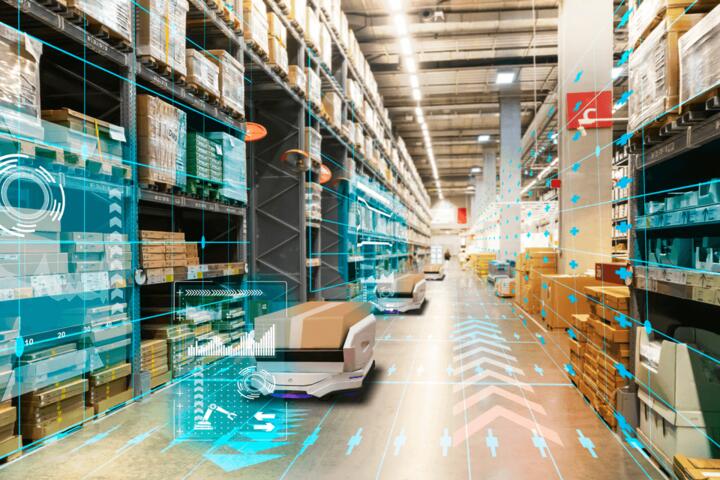
The future of retail inventory management is poised for further transformation, driven by emerging technologies and innovative practices. Artificial intelligence (AI) is set to play a pivotal role, offering predictive analytics that refine demand forecasting and optimize stock levels with unprecedented precision. The Internet of Things (IoT) can enhance inventory accuracy through smart sensors that provide real-time updates and automate replenishment processes. Blockchain technology, with its secure and transparent ledger system, has the potential to revolutionize supply chain management by ensuring traceability and reducing fraud. As these technologies continue to evolve, they promise to deliver even greater efficiency and insight into inventory management, enabling retailers to maintain adaptability and resilience in a rapidly changing market.
In conclusion, retail inventory management systems are integral to the success and sustainability of modern retail businesses. As technology continues to advance, these systems will become even more vital in maintaining a competitive advantage. Retailers must remain proactive in adopting and integrating evolving solutions to ensure they not only meet current demands but also position themselves strategically for future growth.