The service industry is undergoing its biggest shift in decades, and artificial intelligence is at the heart of this transformation. How AI is transforming the service industry is no longer just a trend—it is a measurable reality shaping customer expectations, workforce needs, and business strategies. From hotel chains like Hilton to e-commerce platforms like Shopify, service-focused companies increasingly rely on AI to automate tasks, personalize interactions, and predict customer behavior.
The Rise of AI in the Modern Service Industry
Artificial intelligence has moved from experimental to essential. Cloud platforms, accessible training resources from organizations like Coursera, and mature AI tools have made implementation faster and cheaper for all sizes of service companies.
Key Drivers Accelerating AI Adoption
-
Rapid growth of customer expectations
-
Availability of real-time data across touchpoints
-
Increasing labor shortages in retail, hospitality, and logistics
-
Affordable AI tools for forecasting, automation, and personalization
-
Rising competition forcing companies to innovate faster
Why AI Matters for Every Service Business
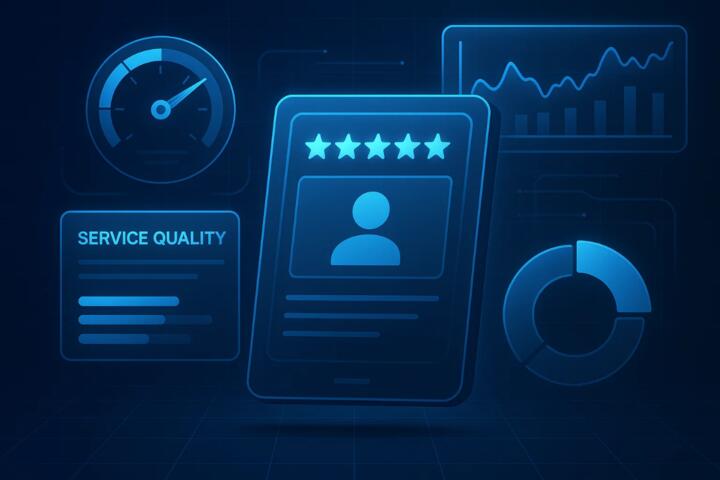
AI improves service quality while lowering operational costs. Companies that delay adoption often face reduced efficiency, slower customer response times, and declining satisfaction scores.
How AI Is Transforming Customer Service Operations
Customer service is one of the most visible use cases for AI.
AI-Powered Chatbots and Virtual Assistants
Modern AI chatbots can handle complex requests—far beyond simple scripted responses.
Examples of companies using advanced chatbots:
-
Rakuten uses conversational AI to resolve common customer requests.
-
Hilton implemented AI assistants for guest inquiries and loyalty program questions.
-
American Express leverages machine learning to identify customer intent and provide quick solutions.
What AI Chatbots Can Improve
-
24/7 availability
-
Reduced wait times
-
Higher first-contact resolution
-
Standardized, consistent responses
-
Ability to scale during high-volume periods
Common Mistakes to Avoid
-
Poor training datasets — leads to inaccurate or irrelevant responses.
-
No human escalation — frustrates customers when issues are complex.
-
Ignoring chatbot analytics — prevents ongoing improvement.
How to Implement Chatbots Effectively
-
Start with one channel (website or app).
-
Train the system using your own historical service data.
-
Provide fallback options to human agents.
-
Monitor conversations weekly and refine intent models.
AI in Hospitality: Transforming Guest Experience
Hospitality is one of the industries most affected by AI's evolution.
Personalization at Scale
Hotels can use AI systems to analyze past stays, preferences, reviews, and loyalty program behavior.
AI can automatically recommend:
-
Room upgrades
-
Personalized dining options
-
Local experiences
-
Targeted promotions
Hilton, Marriott, and independent boutique hotels have already integrated AI to tailor guest communications and upsell offers.
Predictive Maintenance
AI-powered systems detect equipment issues before they escalate.
Practical examples:
-
Predicting HVAC failures based on sensor data
-
Identifying energy waste in real time
-
Simplifying staff scheduling by forecasting occupancy trends
Predictive maintenance cuts operational costs, reduces downtime, and improves guest satisfaction.
AI in Retail and E-Commerce Service Operations
Retail companies rely heavily on service quality. AI enhances this across the entire customer journey.
Inventory Optimization and Demand Forecasting
Machine learning models help businesses understand buying patterns.
Benefits:
-
Reduced stockouts
-
Lower overstock costs
-
Improved seasonal planning
-
Better supplier coordination
Large retailers like Walmart and Zara already use ML forecasting systems to manage stock accurately.
Visual Search and Shopping Assistance
AI helps customers search products using photos instead of text, improving online shopping experiences.
AI for Omnichannel Service
AI unifies customer data across:
-
Social media
-
Online chat
-
Email
-
In-store visits
This provides seamless support and consistent messaging.
AI in Financial Services and Client Support
Banks and fintech companies use AI to enhance service delivery.
Fraud Detection and Risk Management
Banks use machine learning models that analyze spending patterns in real time.
Example: American Express uses AI to study millions of transactions per second.
Personalized Financial Recommendations
AI tools analyze income, expenses, credit behavior, and market trends to offer tailored advice.
Document Automation
AI reduces manual document processing by extracting key information from:
-
Loan applications
-
Claims
-
Identity verification documents
This speeds up processing and minimizes errors.
How AI Improves Healthcare Service Delivery
Healthcare relies on precision, speed, and empathy. AI supports medical professionals, not replaces them.
AI Use Cases in Healthcare
-
Automated appointment scheduling
-
Patient triage chatbots
-
Predictive analytics for no-show rates
-
Personalized care recommendations
-
Early disease detection
Hospitals using AI tools reduce administrative work and improve patient flow.
Real-World Example
Mayo Clinic implemented an AI system to optimize scheduling and reduce wait times for high-demand departments.
What Service Businesses Should Know Before Adopting AI
Implementing AI requires planning and changes in workflow.
1. Start with Clear Objectives
Examples:
-
Reduce customer wait times
-
Improve service personalization
-
Automate repetitive administrative tasks
2. Audit Your Existing Data
AI requires clean, structured data.
Poor data = poor outcomes.
3. Choose the Right Tools
Look for solutions with:
-
Transparent AI models
-
Strong analytics dashboards
-
Integration options (CRM, ERP, POS systems)
4. Train Your Team
Employees need to understand how AI works to use it effectively.
5. Measure and Adjust
Track metrics such as:
-
Resolution time
-
Customer satisfaction (CSAT)
-
Cost per ticket
-
Upsell conversions
This helps refine your AI model.
Practical Use Cases: How Different Service Sectors Use AI
Customer Service Centers
-
Automatic call routing
-
Sentiment analysis
-
Real-time agent assistance
Hospitality
-
Room personalization
-
AI concierge services
-
Smart energy management
Retail
-
Pricing optimization
-
Fraud prevention
-
AI-powered customer segmentation
Healthcare
-
Predictive resource allocation
-
Virtual care assistants
Financial Services
-
Automated compliance checks
-
Personalized banking services
-
Transaction anomaly detection
How AI Enhances Workforce Productivity
Service industries often face labor shortages. AI fills gaps by handling routine tasks.
Ways AI Supports Employees
-
Automates repetitive work
-
Reduces manual data entry
-
Supports decision-making
-
Improves training through AI-powered simulations
Why Employees Benefit
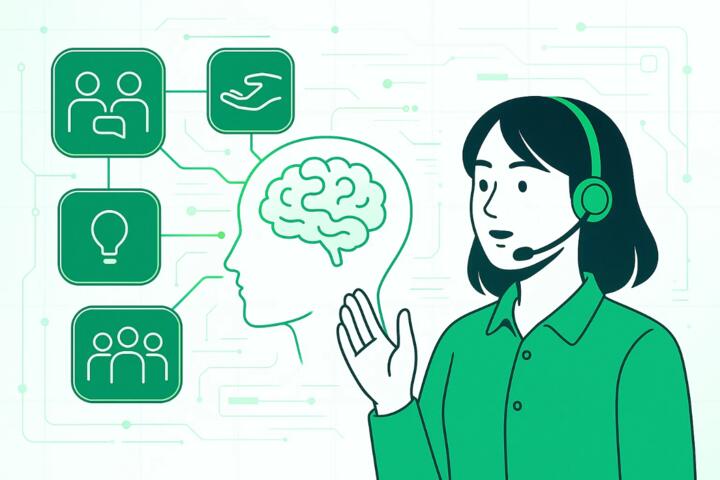
AI allows workers to focus on tasks that require emotional intelligence, creativity, and strategic thinking.
Author’s Insight
When consulting for mid-size service companies, I observed a clear pattern: businesses that adopted even simple AI tools achieved measurable improvements within three months. One hospitality client reduced customer email response times by 63% after integrating an AI triage system. Another retail partner increased repeat purchases by using AI-driven personalization, similar to techniques taught in Harvard Business School’s digital transformation courses. In my experience, success depends not on the most advanced tool, but on choosing one practical workflow to optimize first.
Conclusion
How AI is transforming the service industry is evident across every major service sector. From hospitality and retail to finance and healthcare, AI is driving faster operations, deeper personalization, and smarter decision-making. Companies that implement AI early gain a competitive advantage through improved customer satisfaction, reduced costs, and enhanced workforce productivity. As AI technologies continue to evolve, service businesses that embrace them will lead the next decade of innovation.