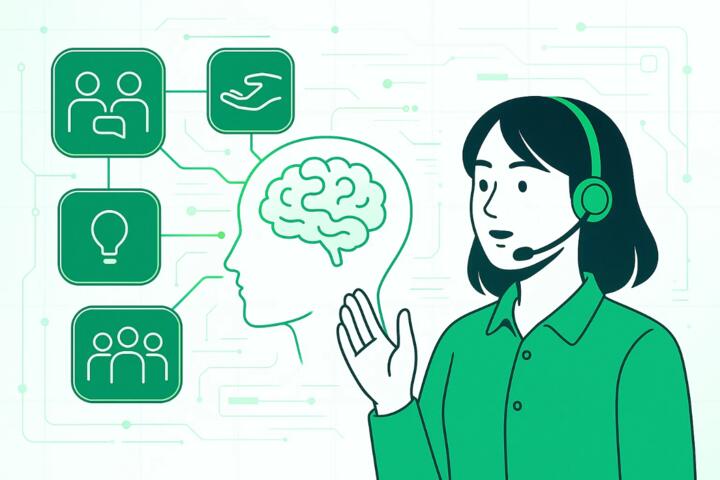
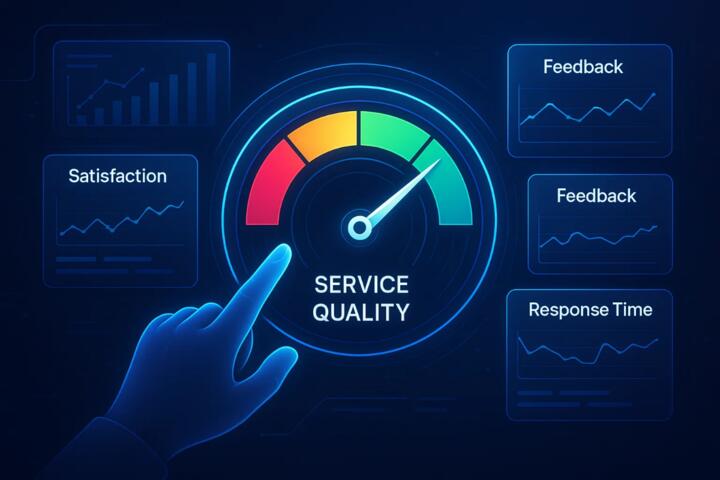
Service industries are transforming fast, and the role of soft skills in modern service professions has never been more important. As technology automates routine tasks, the human side of service—communication, emotional intelligence, and adaptability—becomes the true competitive advantage.
Why Soft Skills Matter in Today’s Service Economy
Soft skills influence how customers perceive value. Whether in hospitality, retail, healthcare, consulting, or customer support, clients expect not just solutions but a positive human interaction. Research from Harvard University shows that up to 85% of job success comes from well-developed soft skills, not technical knowledge alone. Companies like Hilton, Sephora, and Apple invest heavily in service training because customer loyalty depends on how employees make people feel.
Key impacts of soft skills on service quality
-
Faster and smoother problem resolution
-
Higher customer satisfaction and loyalty
-
Improved team communication and workflow
-
Reduced workplace conflict
-
Increased employee retention
Soft skills form the backbone of memorable service experiences.
Communication Skills as the Foundation of Service Excellence
Strong communication is essential in every interaction. It includes speaking, listening, understanding context, and adapting to different personalities.
Active listening in service professions
Active listening helps professionals grasp customer needs before responding. Coursera’s customer service courses highlight that active listening reduces escalation rates by up to 30%.
Practical ways to improve it:
-
Maintain eye contact or verbal acknowledgment.
-
Paraphrase to confirm understanding.
-
Avoid interrupting.
-
Ask clarifying questions.
-
Focus on tone and emotional cues.
Clear and concise communication
Customers appreciate clarity. Professionals should avoid jargon, use simple structures, and confirm next steps.
Common mistake:
Explaining too much at once. It overwhelms customers and reduces trust.
Non-verbal communication
Body language, facial expressions, and posture matter, especially in hospitality and healthcare. A calm, confident presence builds trust quickly.
Emotional Intelligence: The Soft Skill That Defines Modern Service Work
Emotional intelligence (EQ) is the ability to understand and manage emotions—your own and others'.
Components of emotional intelligence
-
Self-awareness
-
Self-regulation
-
Empathy
-
Social skills
-
Motivation
A study from Yale’s Center for Emotional Intelligence found that workplaces with high EQ teams report 20% higher performance and fewer interpersonal conflicts.
Empathy as a competitive advantage
Empathy creates emotional connection. Customers become loyal when they feel understood.
Examples in real companies:
-
Hilton’s “Make It Right” training teaches staff to put themselves in the customer’s shoes.
-
Zappos empowers employees to personalize service based on emotional cues.
Developing emotional intelligence
Practical steps:
-
Reflect on emotional triggers.
-
Practice empathy in daily conversations.
-
Use feedback loops from colleagues.
-
Keep a journal of difficult interactions and lessons learned.
Adaptability: Thriving in Fast-Changing Service Environments
The service sector evolves quickly. New technologies, customer expectations, and workflows demand flexibility.
Why adaptability matters
-
It improves resilience during unexpected customer issues.
-
It helps teams adopt new tools such as CRM platforms or AI systems.
-
It increases chances of career growth and promotions.
Examples of adaptability in practice
-
Retail associates adjusting to omnichannel service.
-
Hotel staff shifting from traditional check-in to mobile-first experiences.
-
Healthcare workers adapting to telemedicine tools.
How to build adaptability skills
-
Accept change as a normal part of work.
-
Experiment with new tools before they become mandatory.
-
Ask for feedback when learning something new.
-
Take short online courses (e.g., LinkedIn Learning, Coursera).
Problem-Solving: Turning Service Challenges into Opportunities
Customers often seek help because something went wrong. Strong problem-solving skills transform potentially negative situations into positive experiences.
Key elements of effective problem-solving
-
Identifying the root cause
-
Staying calm under pressure
-
Brainstorming solutions quickly
-
Communicating clearly
-
Following up until resolution
Real-world example
Rakuten’s customer service model emphasizes ownership: every agent takes responsibility for resolving the issue rather than transferring the customer repeatedly.
Practical techniques for service professionals
-
Use structured frameworks like the 5 Whys.
-
Confirm the problem in writing or verbally.
-
Offer multiple solutions when possible.
-
Stay solution-oriented, not defensive.
Common mistake:
Focusing too much on who caused the issue rather than how to solve it.
Teamwork and Collaboration in the Service Industry
Service work often relies on coordinated effort.
Why teamwork is essential
-
Faster response to customer needs
-
Better workload distribution
-
Improved creativity and problem-solving
-
Stronger morale and lower burnout
How to enhance teamwork skills
-
Share information openly.
-
Show appreciation for colleagues.
-
Resolve conflict quickly.
-
Participate in cross-training.
-
Ask more questions to understand team processes.
Teams that collaborate well create high-quality service consistently.
Soft Skills in Digital and Remote Service Professions
Remote service roles—such as online support, virtual consulting, and telemedicine—require a modern twist on traditional soft skills.
Essential remote soft skills
-
Professional digital communication
-
Tone control in writing
-
Managing expectations across time zones
-
Clear explanation of technical steps
-
Proactive follow-up
A 2023 LinkedIn report states that communication and empathy are the top skills employers seek for remote service positions.
Tools that support digital service skills
-
Slack and Microsoft Teams for collaboration
-
Zendesk and Intercom for customer communication
-
Notion for internal knowledge sharing
Professionals must balance efficiency with warmth in digital environments.
Training and Certification Programs That Build Soft Skills
Many institutions now offer structured soft skill development. These programs help professionals improve communication, leadership, and emotional intelligence through real case studies.
Recognized programs
-
Harvard Business School Online – Leadership and communication courses
-
Coursera – Customer service and professional skills tracks
-
Udemy – Practical empathy and EQ workshops
What to look for in a training program
-
Real-world simulations
-
Professional feedback
-
Measurable learning outcomes
-
Certification for resumes or LinkedIn profiles
Common Mistakes Professionals Make with Soft Skills
Mistakes often happen because people underestimate the importance of emotional or interpersonal dynamics.
Frequent errors
-
Speaking more than listening
-
Multitasking during customer conversations
-
Using overly formal or robotic language
-
Avoiding conflict instead of addressing it
-
Not asking for feedback
Each mistake can damage customer trust. Awareness is the first step to improvement.
How Employers Can Strengthen Soft Skills Across Their Teams
Soft skills should be part of workplace culture, not just individual effort.
Strategies for companies
-
Offer regular customer service workshops
-
Reward empathy and initiative, not just speed
-
Use role-playing exercises
-
Provide clear communication guidelines
-
Create mentorship programs
When leaders model strong soft skills, teams follow naturally.
Author’s Insight
During my early career in customer support, I believed technical accuracy mattered most. I later learned that customers judge service by how the interaction feels, not just by the solution. A frustrated client once told me, “You fixed the issue, but I still feel unheard.” That moment changed my approach. I started asking more questions and acknowledging emotions before giving instructions. Performance reviews improved, conflict decreased, and customers became more loyal. This personal lesson reminds me that service is always human first, technical second.
Conclusion
Soft skills shape every aspect of modern service professions. Communication, empathy, adaptability, and problem-solving define how professionals interact with customers and colleagues. As industries evolve, the value of these skills grows stronger. Companies like Hilton, Apple, and Rakuten prove that exceptional service depends on human ability, not just technical tools. Developing soft skills is a long-term investment that leads to better performance, higher satisfaction, and stronger career potential. By understanding the role of soft skills in modern service professions, individuals and organizations can create meaningful, lasting service excellence.